Thumbnail Photo By Yan Krukau on pexels
Math manipulatives are physical, hands-on objects that children can use to explore and understand abstract mathematical concepts. Mathematics can feel a bit abstract or even intimidating when we're first introducing it to children. When numbers only live on a paper, concepts like regrouping, fractions, and place value tend to turn into tricky little hurdles pretty quickly.
That’s why we love talking about hands-on mathematics tools. When kids use physical objects that they can grab, move around, and stack, it helps them bridge that gap between abstract ideas and real-life understanding, making math time feel so much easier for them to learn and math stops feeling like a set of random rules to memorize and starts feeling like something they can actually see and understand.
Here are some of our favorite math tools for your children’s learning space:
1. Classic Wooden Abacus
A traditional 100-bead wooden abacus is one of the most effective tools for early counting, subitizing, and visualizing base-ten structures. Featuring 10 rows with 10 beads each, it allows young learners to slide beads back and forth to count the days of school, practice skip counting by 5s and 10s, and see part-part-whole number combinations up to 100 without loose pieces creating a mess.
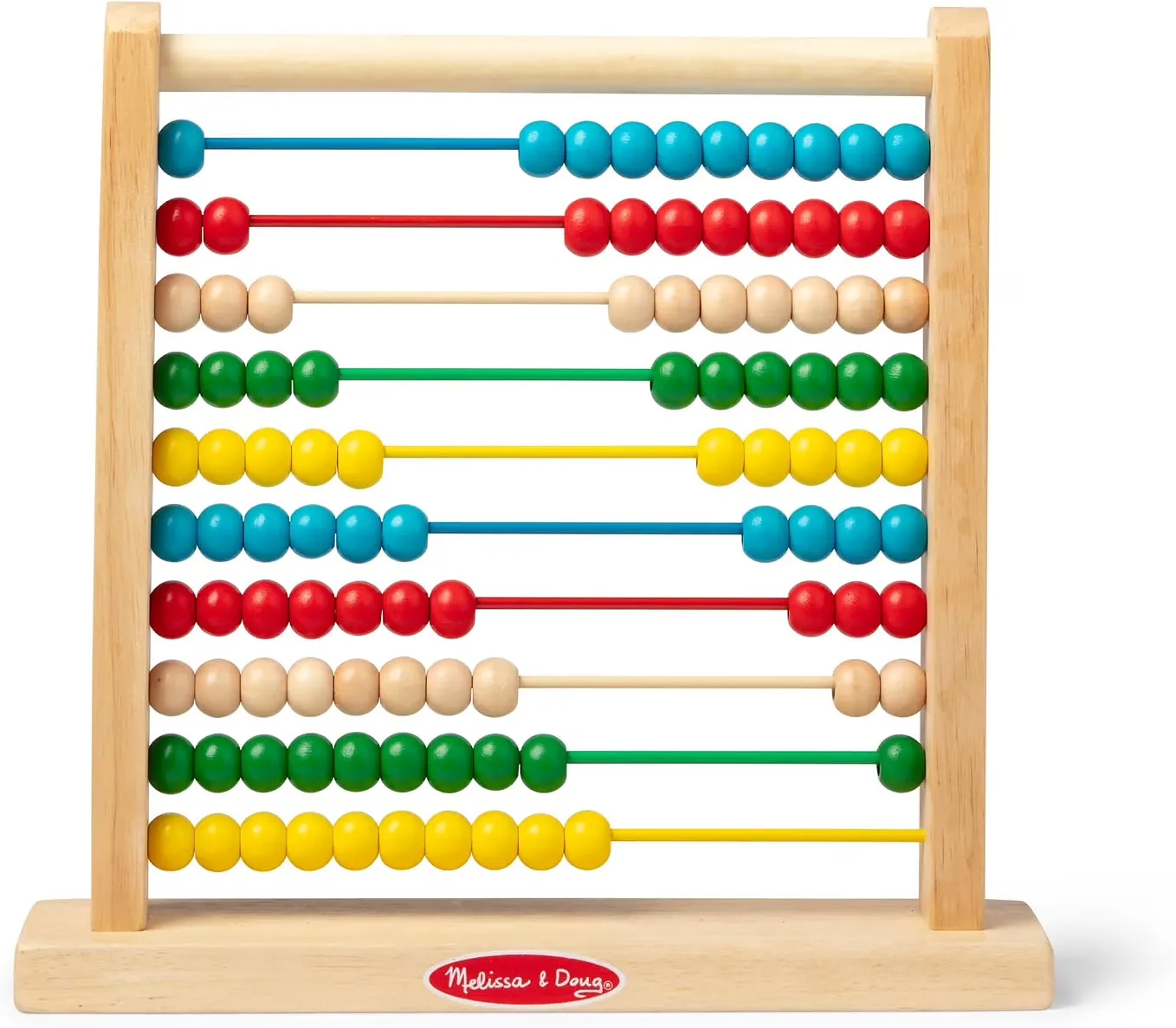
Wooden Abacus with 100 Colorful Beads
2. Base-Ten Blocks
Base-Ten blocks are an absolute non-negotiable staple for teaching place value, addition, subtraction, regrouping, and early multiplication.
A standard set includes unit cubes (ones), rods (tens), flats (hundreds), and cubes (thousands). Seeing these pieces side-by-side allows students to physically grasp the powers of ten and master trading concepts during multi-digit addition and subtraction.
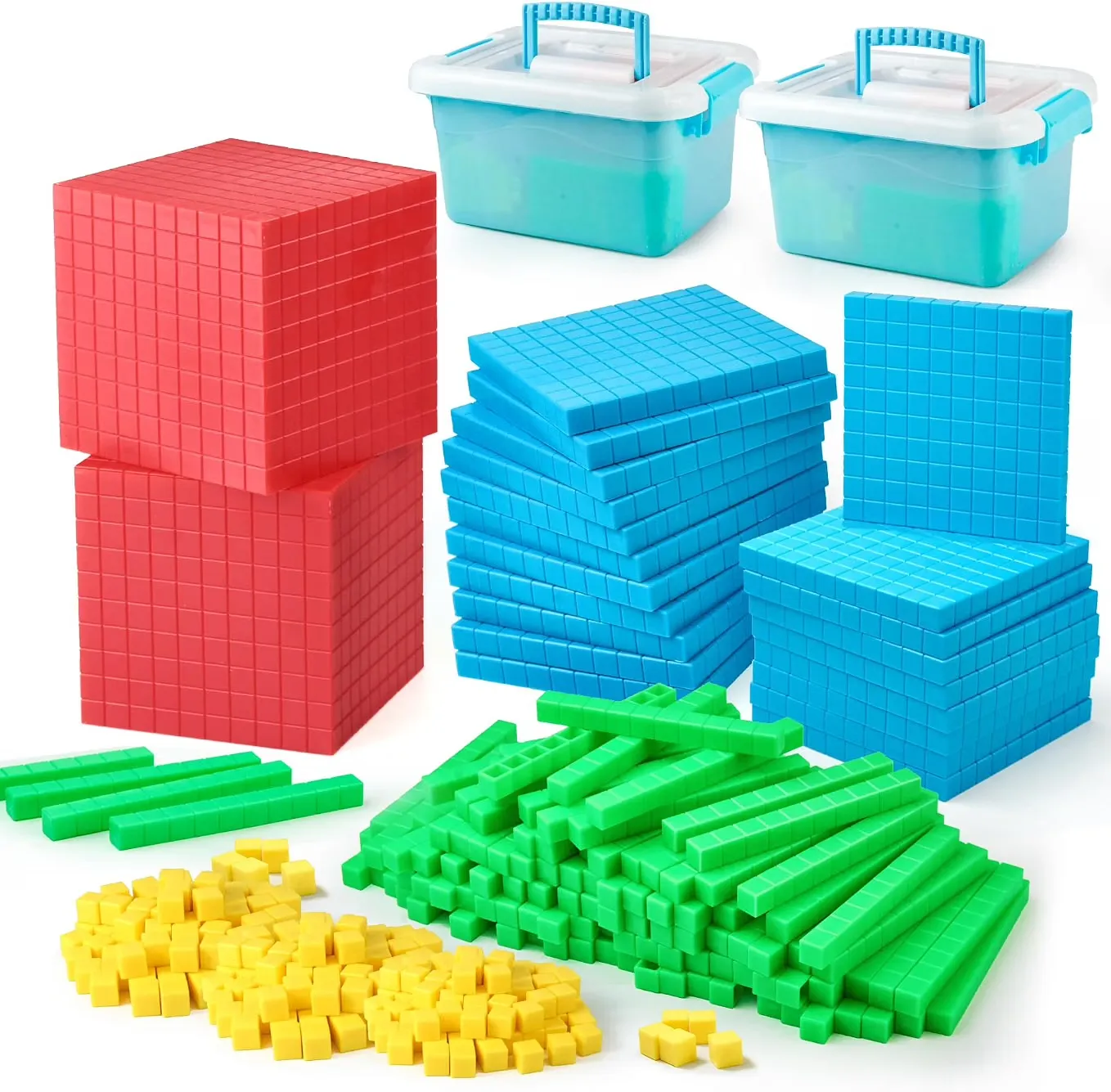
Base Ten Blocks Set
3. Pattern Blocks
Pattern blocks are essential for pattern recognition, geometry, and early fraction concepts. Standardized shapes of triangles, squares, rhombuses, trapezoids, and yellow hexagons allow students to build spatial reasoning and discover how fractional parts combine to make a whole.
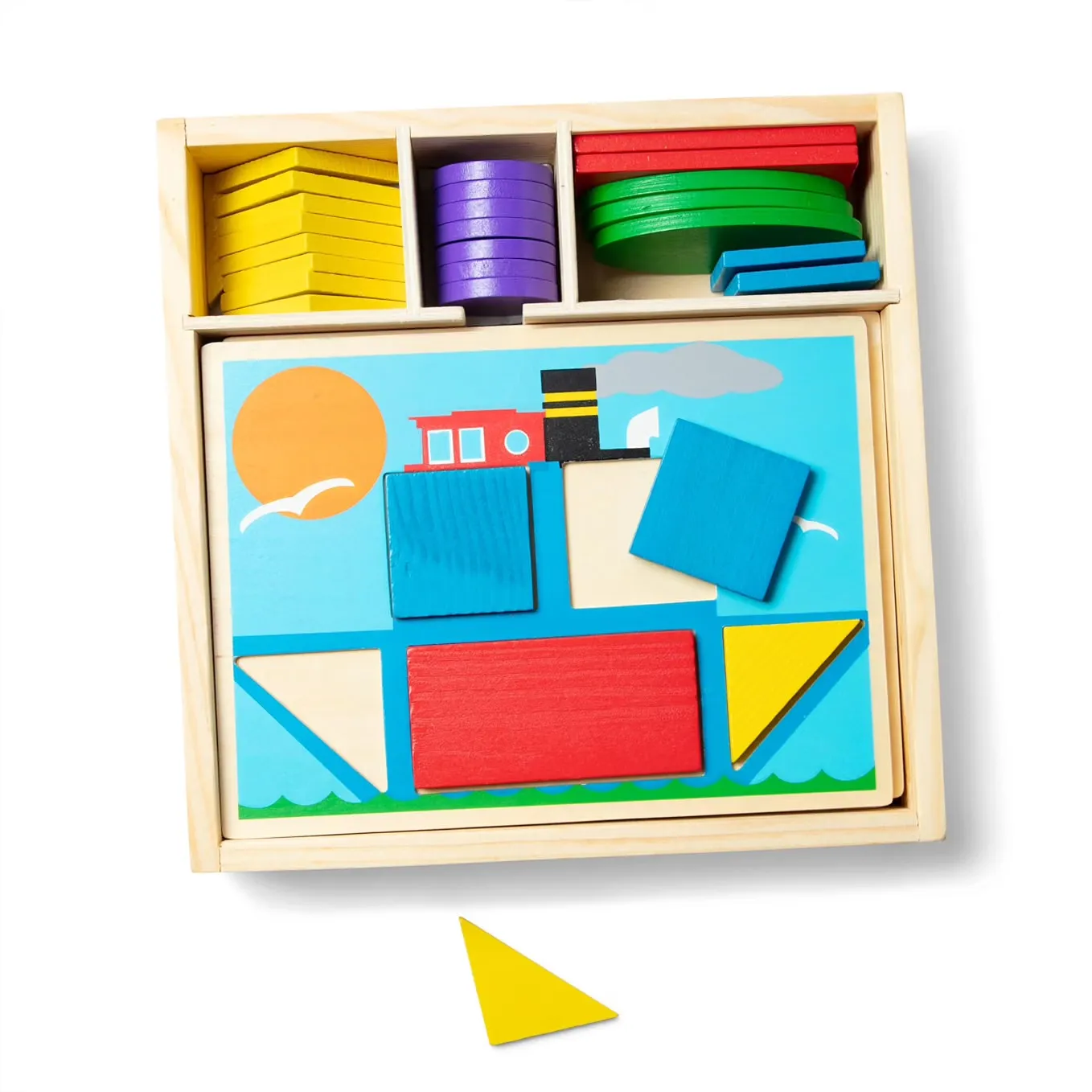
Beginner Wooden Pattern Blocks
4. Linking Cubes
With connecting cubes, students can snap them together to build towers, measure classroom objects, or visually model part-part-whole relationships. They are among the most versatile tools for K–2 counting, skip counting, and constructing simple bar graphs.
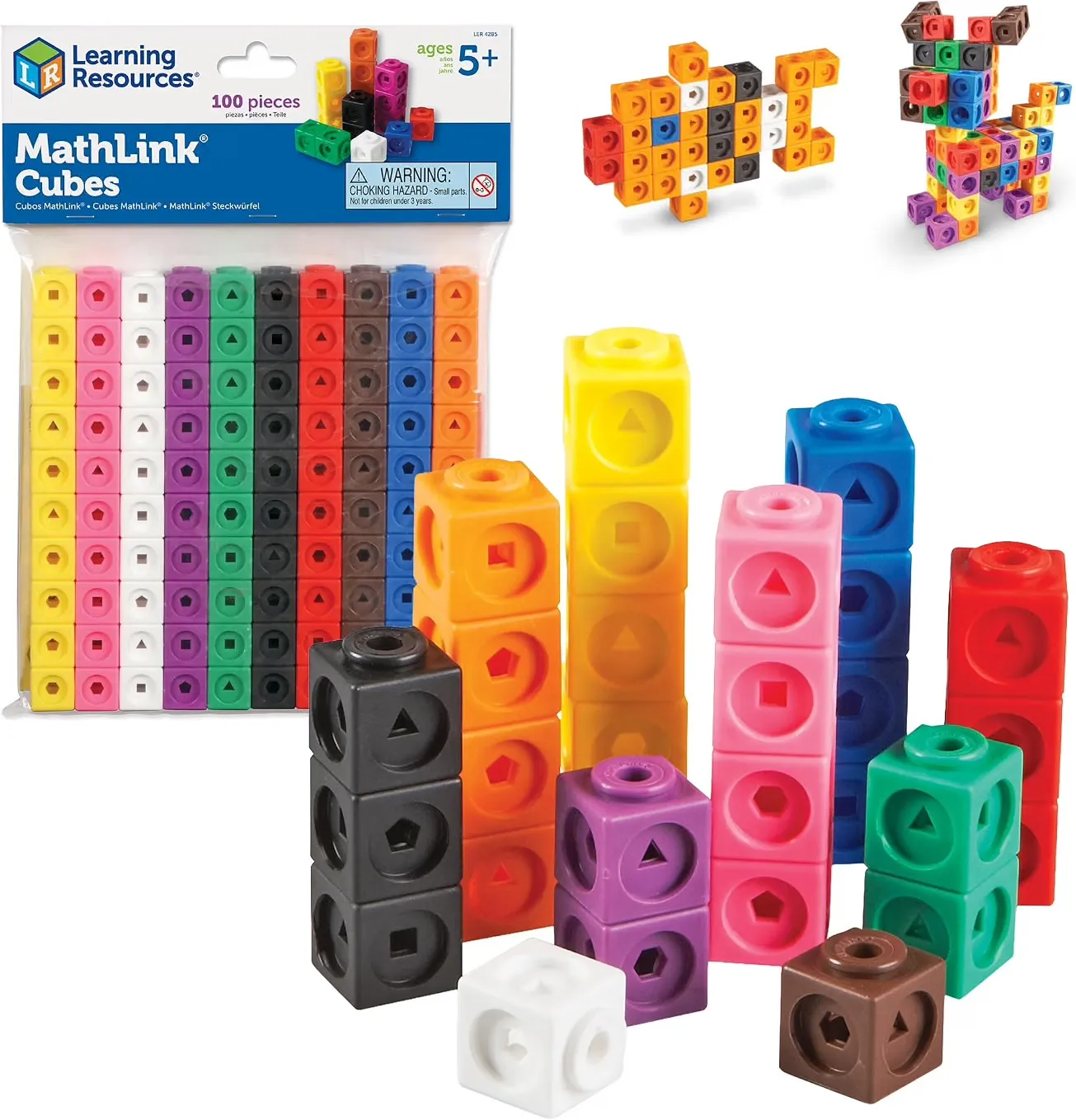
Set of 100 MathLink Cubes
5. Fractional Tiles & Circles
Visual, color-coded fraction bars allow students to compare denominators, find equivalent fractions, and practice fraction operations hands-on. Color-coded fraction pieces give upper elementary students a concrete way to explore numerators and denominators without confusion.
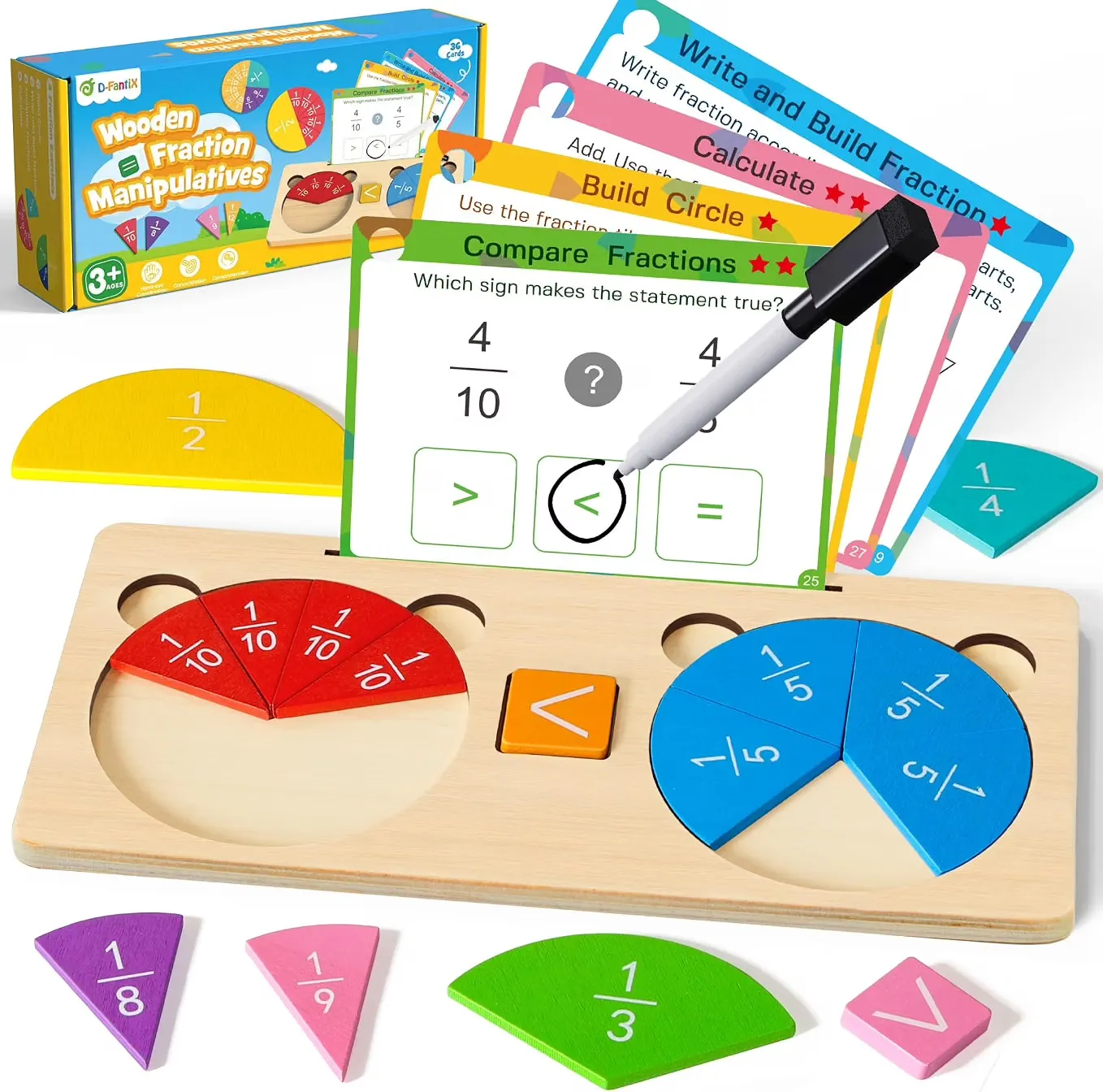
Wooden Fraction Manipulatives Set
6. Two-Color Counters
Simple yet powerful, red and yellow counters are lightweight discs perfect for subitizing, filling ten-frames, modeling number bonds, and exploring early probability. In upper grades, they serve as excellent visual models for positive and negative integers.
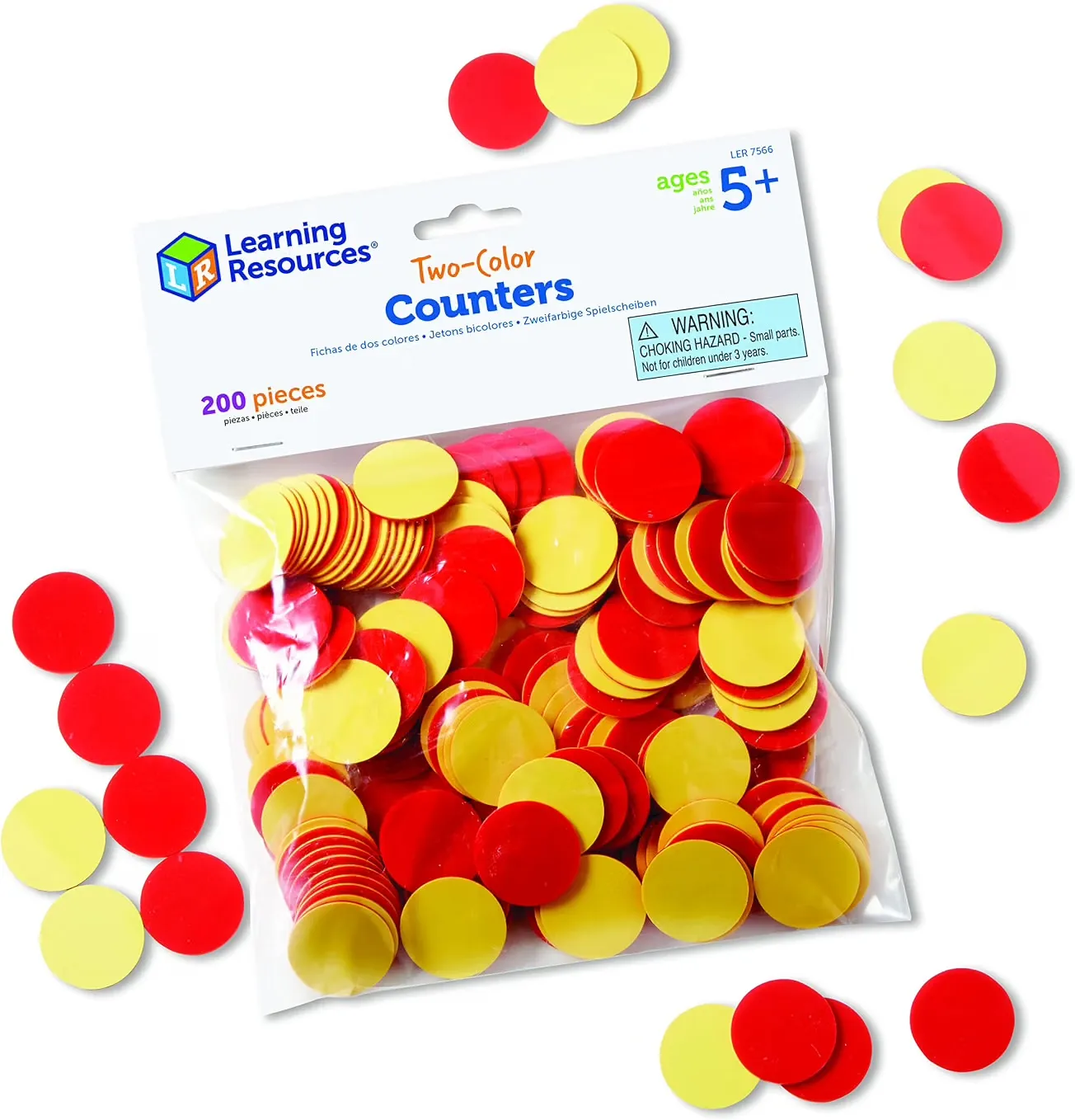
Two-Color Counters
7. Geoboards
Pegged boards with rubber bands are used to explore geometric shapes, perimeter, area, and angles. They provide a tactile bridge between static textbook geometry formulas and real visual representations.
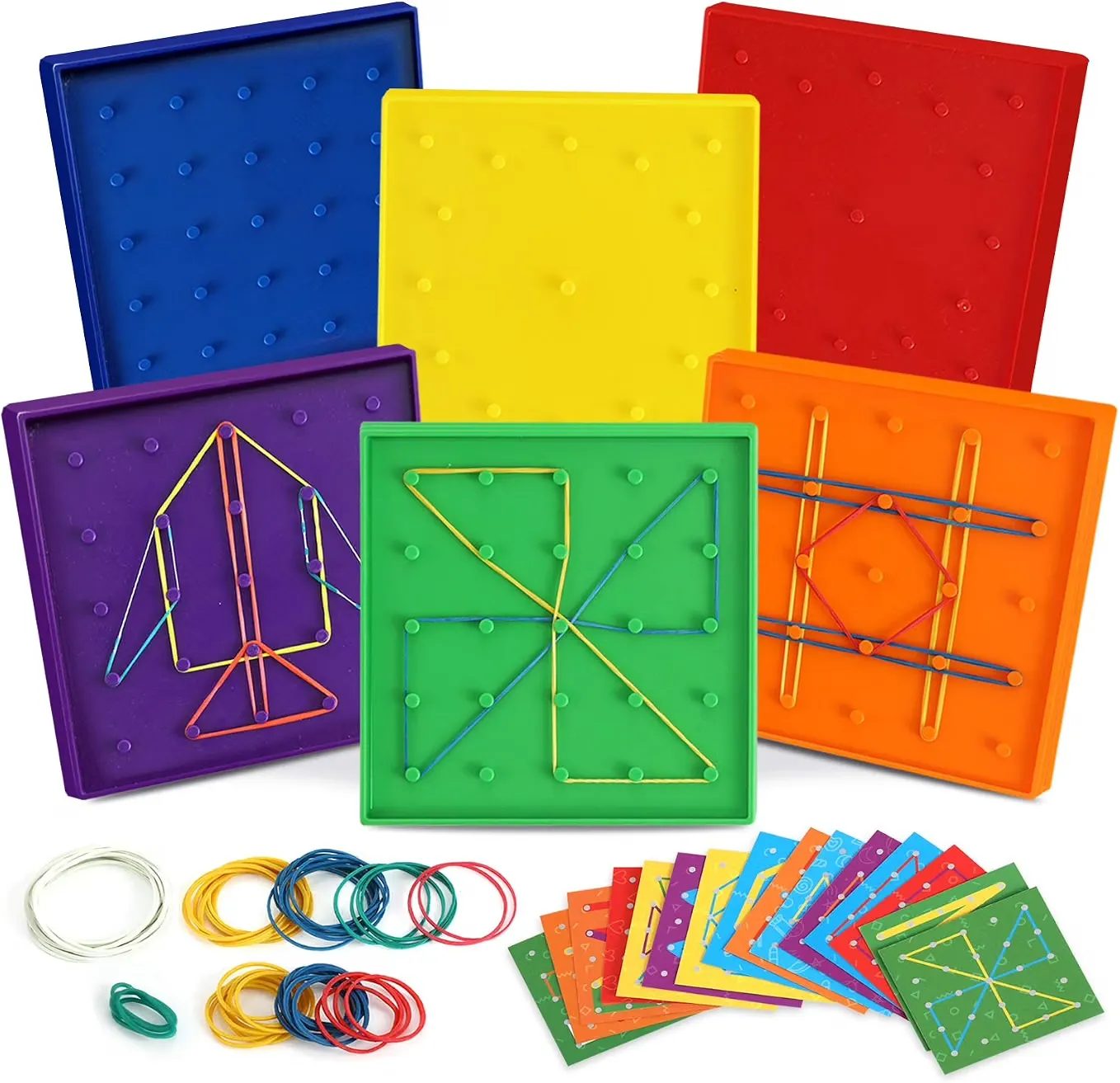
6 Pack Double-Sided Geoboard Set